A safety helmet is one of the most important pieces of personal protective equipment on any worksite. It helps protect the head from impact, falling objects, and other hazards, but only if it is in good condition. That is why regular inspection and timely replacement are essential for keeping workers safe.
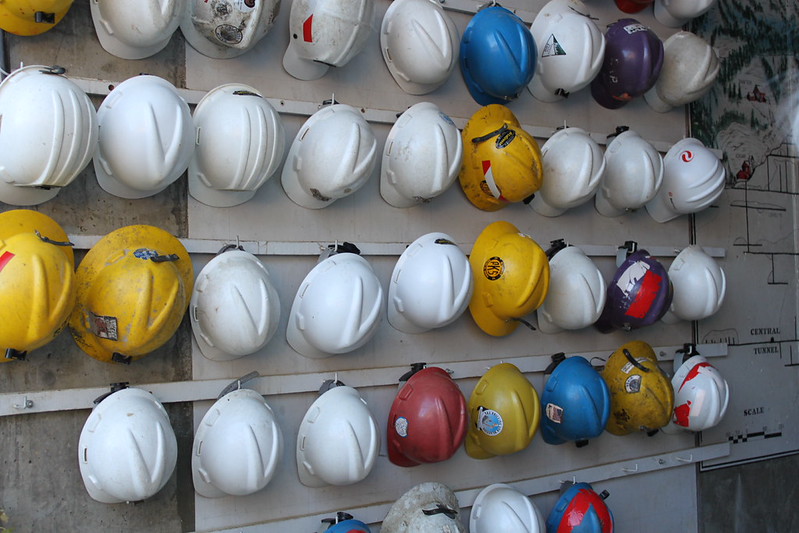
How to Inspect the Outer Shell
The outer shell is the first line of protection, so it should always be checked carefully. Look for cracks, dents, punctures, fading, yellowing, peeling, or any other signs of wear. Even small cracks can spread over time and weaken the shell’s structure.
You should also pay attention to changes in the material itself. If the shell feels brittle, unusually soft, or no longer flexible, that may be a sign of aging. A damaged shell should never be ignored, because its strength is what helps absorb and distribute impact.
What to look for
- Cracks, even if they are small.
- Dents or deep impressions.
- Punctures, holes, or cuts.
- Fading, yellowing, peeling, or flaking.
- A brittle or overly stiff surface.
Check the Suspension and Headband
The inside of the helmet is just as important as the shell. The suspension system, headband, straps, and fasteners help keep the helmet secure and absorb shock during impact. If these parts are loose or worn out, the helmet may not fit properly or protect effectively.
Inspect the internal padding and support components for compression, hardening, or damage. Check whether the headband still feels firm and whether all connection points are tight. A loose or worn suspension system can reduce comfort and safety at the same time.
Internal parts to inspect
- Suspension support.
- Headband.
- Straps or tie bands.
- Velcro or fastening points.
- Attachment points between the shell and internal parts.
Signs of Material Aging
Helmet materials naturally degrade over time, even if the helmet has not been used heavily. Exposure to sunlight, heat, humidity, and temperature changes can slowly weaken the plastic. That is why a helmet should be inspected not only for visible damage, but also for aging.
One common sign is discoloration, especially fading or yellowing. Another is a change in texture, such as the shell feeling too hard, too soft, or more fragile than before. If the material starts to peel, flake, or become brittle, it is usually no longer reliable.
When to Replace a Safety Helmet
A helmet should be replaced when the shell shows damage, when internal parts can no longer function properly, or when it has reached the end of its service life. The safest choice is to replace the helmet whenever there is doubt about its condition. Protection is too important to risk.
If only the inner suspension or headband is damaged, replacement of those parts may be enough, as long as the shell is still in good condition. However, if the shell itself is cracked or weakened, the entire helmet should usually be replaced. The shell is the main protective barrier, so its integrity matters most.
Replace After an Impact
If a safety helmet has taken a strong hit, replacement should be strongly considered even if there is no visible damage. Impact can cause internal microcracks or structural weakening that you may not be able to see. A helmet can look normal and still have reduced protection.
This is why many safety standards recommend replacing a helmet after a serious impact. The damage may be hidden, but the risk is real. If the helmet has already absorbed a blow, it may no longer perform as designed in a future accident.
Follow the Recommended Service Life
Every helmet has a service life, and that life gets shorter with frequent use and environmental exposure. A commonly recommended guideline is about 5 years for infrequent use and about 2 years for daily or near-daily use. These are general estimates, not universal rules, so the manufacturer’s instructions should always come first.
Service life depends on the materials, design, and working environment. UV exposure, moisture, heat, and repeated handling all contribute to aging. Even if a helmet looks fine, it may still need replacing based on age alone.
Best Practices for Helmet Care
Good maintenance can help extend the useful life of a safety helmet, but it cannot prevent aging forever. Store helmets away from direct sunlight, extreme heat, and harsh chemicals. Clean them with mild soap and water rather than strong solvents that may damage the material.
It also helps to inspect the helmet on a regular schedule instead of waiting for visible damage. A quick check before use can catch early warning signs and prevent unsafe equipment from staying in service. If a helmet fails inspection, remove it from use immediately.