Despite the widespread availability of fall-protection equipment, accidents continue to occur. In most cases, the root cause is not a lack of gear—it is incorrect use, improper installation, or the wrong equipment selection. To truly prevent falls, organizations must begin by eliminating the most common mistakes.
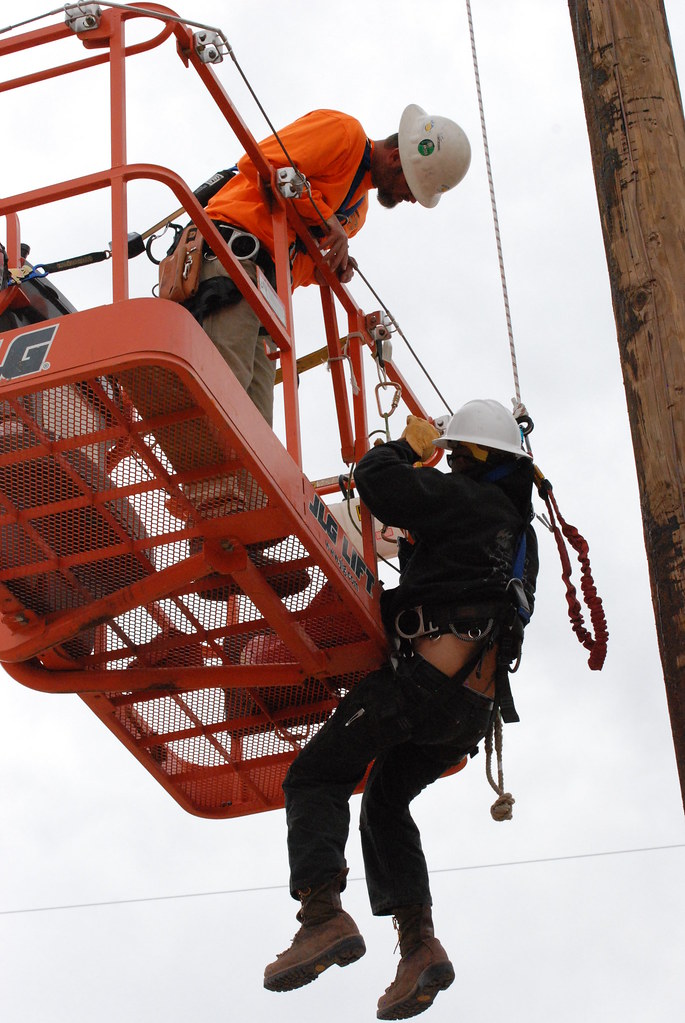
1. Improper Harness Use
A full-body harness only works when it is worn correctly and fits the user’s body securely. Most harnesses feature adjustable shoulder, leg, chest, and waist straps. Because no two workers share the same body shape, each harness must be individually adjusted.
Potential Risks
Being thrown out of the harness during a fall.
Impact to the back of the head if the dorsal D-ring sits too high.
Poor post-fall suspension posture if the D-ring sits too low, increasing the risk of suspension trauma.
Strangulation hazards if the chest strap is positioned too high.
Proper Practice
Position the D-ring between the shoulder blades.
Keep the chest strap at the base of the sternum.
Adjust leg straps so that two to three fingers can fit between the strap and the leg.
Ensure all buckles are snug, secure, and comfortable.
Before donning a harness, inspect it for wear, frayed stitching, cracks, contamination, or any foreign objects. Remove the harness from service immediately if any damage is found.
For a quick visual demonstration, you can reference this harness-donning tutorial video:
https://www.bilibili.com/video/BV1VaW3zeE
2. Incorrect Anchor Point Use
The anchor point is the backbone of any fall-arrest system. If it fails, the entire system fails. Even a momentary overload can tear an anchor apart and lead to catastrophic consequences.
Common Issues
Fall path not evaluated; the load direction does not match the structural support.
Anchor appears intact externally but may be corroded or loose internally.
Multiple workers share a single anchor, exceeding its rated capacity.
Unverified structural components are used as anchors despite insufficient strength.
Safer Practices
Confirm that the anchor structure is sound and capable of supporting fall-arrest loads.
Align the anchor’s load direction with the travel of the lifeline.
Use professionally certified and properly installed anchorage devices.
Include anchor points in your work-planning process and review them regularly.
3. Insufficient Safety Training
In many work environments, workers may have compliant equipment yet lack a practical understanding of how it works, its limitations, or how to use it correctly. In other words, the gear is present, but the knowledge is missing—leading to inadequate protection at height.
Common Issues
Uncertainty about how to properly wear and adjust a harness.
Confusion about which equipment is suitable for which scenario.
Incorrect judgment during unexpected events.
Limited understanding of system limitations and hazard points.
Safer Practices
Provide hands-on training before workers begin at-height tasks.
Ensure workers understand the fundamental principles of fall-protection systems.
Conduct regular refresher training to maintain competence.
Establish and maintain training records for effective oversight and traceability.
4. Failure to Inspect Equipment Before Use
Equipment that looks intact may still be compromised due to prolonged use, improper storage, or harsh environments. Without pre-use inspections, minor defects can escalate into life-threatening failures during a fall.
Common Issues
Worn or broken fibers in webbing, reducing actual strength.
Loose or malfunctioning connectors and springs that may not stay closed under load.
Degraded or chemically damaged energy-absorbing lanyards.
Corroded or unstable anchor points that fail under fall forces.
Components compromised by contamination, kinks, or deformation.
Safer Practices
Perform a quick overall inspection before every use, checking for cuts, wear, and deformation.
Verify the functionality of harnesses, ropes, connectors, and anchors individually.
Arrange formal, qualified inspections every six months.
Follow manufacturer instructions instead of relying solely on experience.
Maintain equipment logs to track inspections, defects, and corrective actions.
5. Improper Lifeline System Configuration
A lifeline system is not simply a tensioned cable. It is an engineered assembly that must meet strict performance criteria. If components are sourced individually or installed by unqualified personnel, the system may fail during an actual fall event.
Potential Risks
System has not been load-tested as a complete assembly.
Component mismatches between brands result in failed connections.
Incorrect installation parameters (tension, length, anchor spacing) prevent the energy absorber from functioning.
Manufacturers may decline responsibility for unapproved configurations.
Proper Practice
Purchase certified, complete lifeline systems directly from reputable manufacturers.
Ensure installation and structural assessment are performed by qualified professionals.
Strictly follow the manufacturer’s configuration guidelines.
Conduct a full professional inspection annually and document the results.
FCLIMB specializes in fall-protection solutions, including lifeline systems, harnesses, and on-site safety planning.
If you need expert guidance when evaluating products or selecting a system, feel free to reach out. We can recommend suitable configurations quickly based on your site conditions.